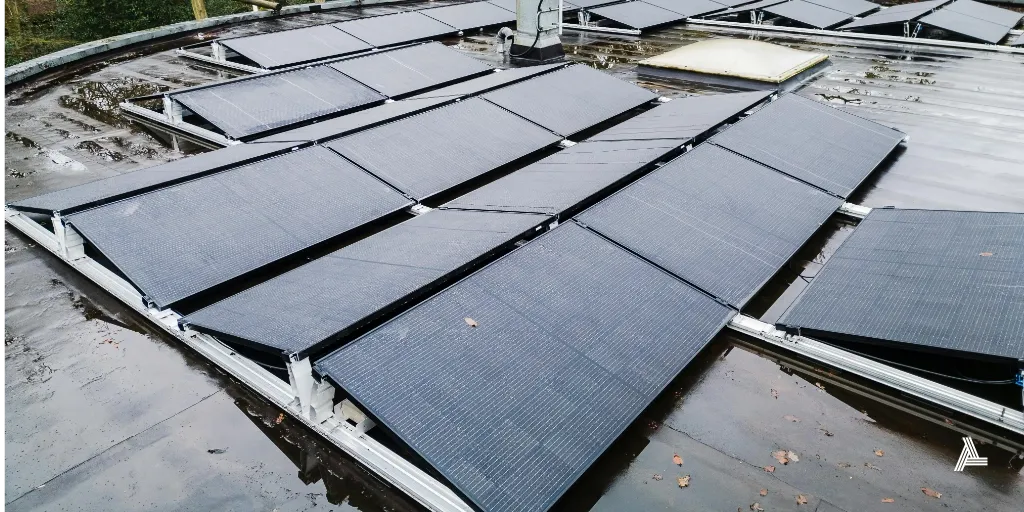
Did you know that renewable energy sources accounted for 41.5% of the UK’s electricity generation in 2022, with solar power playing a key role? With rising energy costs and a growing push for sustainability, more businesses are turning to solar panels as a smart, eco-friendly investment. But while solar panels can cut costs and reduce your carbon footprint, there’s a burning question for many building owners: Will installing solar panels damage my industrial roof?
TLDR – It doesn’t have to – but only if it’s done correctly. In this article, we’ll explore the potential risks of installing solar panels on industrial roofs and share practical tips to protect your building while enjoying the benefits of renewable energy. Let’s make sure your roof stays as solid as your decision to go solar!
Potential Risks of Installing Solar Panels on Industrial Roofs
1. Weight and Pressure
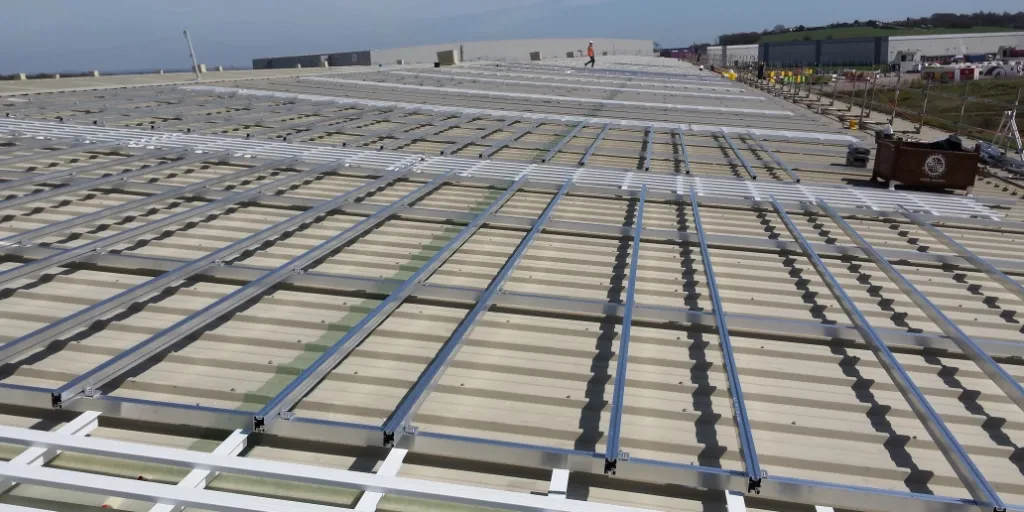
Your industrial roof is strong, but solar panels add extra weight – and it’s not just the panels themselves. Mounting systems, wiring, and any additional equipment can pile on, which could put stress on an older or less robust roof. Over time, this might lead to cracking, bowing, or even structural failure. Scary, right? But don’t worry – there are ways to address this.
2. Wind Damage
The UK isn’t exactly known for calm weather. Strong winds can wreak havoc on poorly secured panels, dislodging them and causing damage to both the roof and the panels themselves. Think of it like leaving your garden furniture out in a storm – it’s not going to end well unless it’s tied down properly!
4. Water Damage
One of the most common issues is water leaking through holes made during installation. Fixings that aren’t sealed correctly can become tiny doorways for water, leading to internal damage, leaks, and even mould. Nobody wants that – especially when rain is pretty much guaranteed.
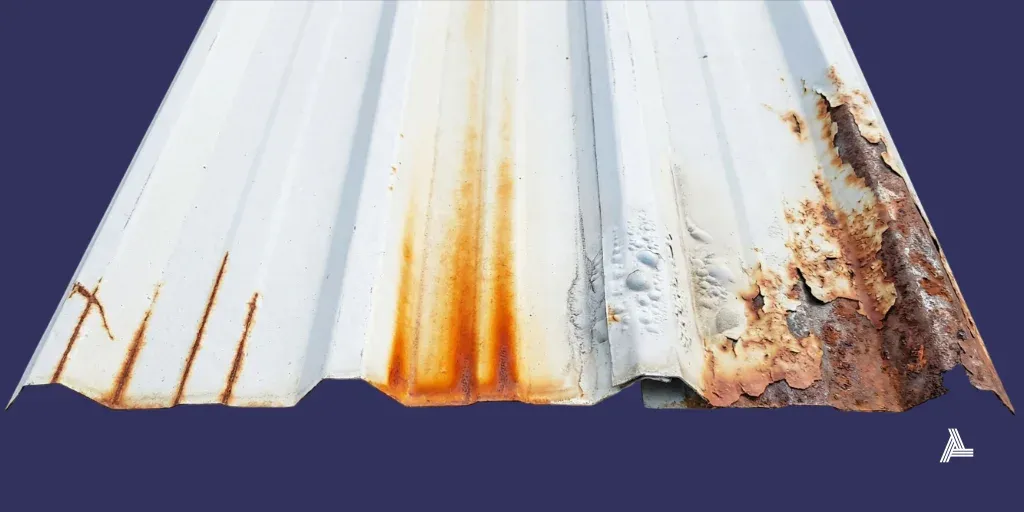
5. Cut Edge Corrosion
When installers make cuts to fit panels or mounts, exposed metal edges are left behind. If these aren’t treated properly, they’ll corrode over time leading to cut edge corrosion. It’s like leaving your bike out in the rain – a little rust can lead to big problems.
6. Maintenance Challenges
Installing solar panels might make it trickier to access essential parts of your roof, like air conditioning units, vents, or skylights. A poorly planned setup can turn a simple maintenance task into a logistical nightmare.
How to Mitigate Risks During Solar Panel Installation
Don’t let these risks scare you off. With the right preparation and professional help, you can enjoy the benefits of solar energy without compromising your roof. Here’s how to do it:
Conduct a Thorough Roof Inspection
Before you even think about installation, get us to perform a roof survey. We’ll assess the structural capacity and spot any weak points. This is especially important for older buildings.
Use Professional Installers
This isn’t a job for your mate with a drill. Hire experienced installers who understand UK weather conditions and follow best practices. They’ll ensure the panels are secure and the roof stays intact.
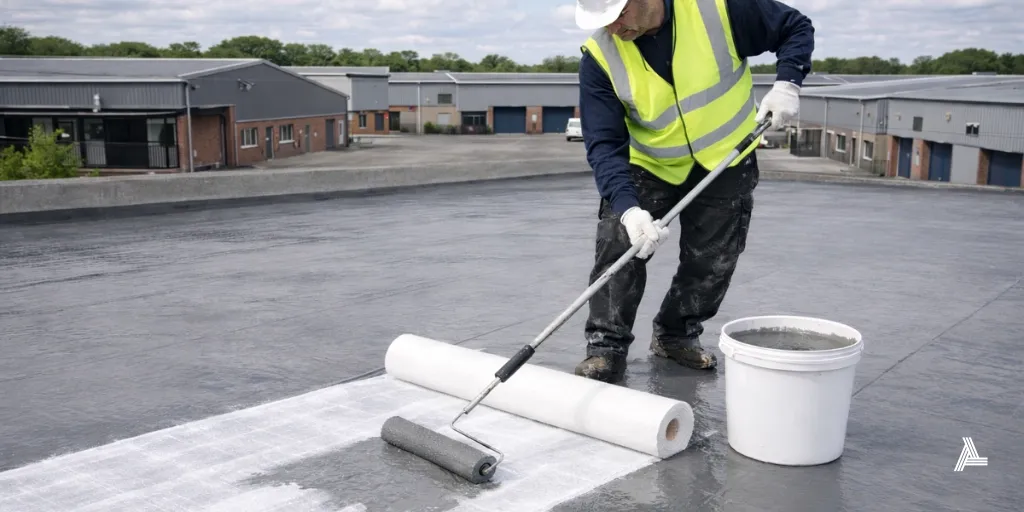
Ensure Proper Sealing
Every hole made during installation needs to be sealed like Fort Knox. Proper sealing with Sharkseal prevents water ingress and keeps your roof dry and damage-free.
Apply Protective Coatings
Exposed metal edges from cuts should be treated with our special corrosion-resistant coatings. It’s a small step that makes a huge difference in the long run.
Plan for Maintenance Access
Think ahead! Ensure there’s enough room to access vital roof features even after the panels are installed. A little forethought now will save you a lot of hassle later.
Conclusion
Installing solar panels on your industrial roof is a smart move for cutting energy costs and reducing your carbon footprint. However, it’s essential to approach the process with care to avoid potential issues like structural strain, wind damage, water leaks, cut edge corrosion, and restricted access to vital roof features.
By starting with a thorough roof inspection, hiring experienced professionals, ensuring proper sealing, applying protective coatings, and planning for maintenance access, you can mitigate these risks and ensure your roof remains in top condition.
With the right preparation, you can enjoy the benefits of renewable energy without compromising the integrity of your roof. So, if you’re ready to harness the UK’s sunshine (or what little we get!), make sure you take these precautions to keep your building safe and efficient.