Metal roofs for commercial and industrial buildings are a great choice due to their long life and durability however, many different factors can contribute to these metal roofs corroding and ultimately failing. In this post, we look at the reasons why a metal roof would corrode and some things you can do to mitigate this.
Environmental factors
One of the main reasons metal roofs corrode is down to the environment. We get some pretty varied weather conditions here in the UK and Frequent rain and increased humidity levels can lead to the formation of rust on metal surfaces. Water can seep into small cracks and crevices, accelerating the corrosion process and for buildings located near the coast, salt-laden air can be particularly corrosive. Salt acts as a catalyst, speeding up the oxidation process and leading to faster deterioration of the metal.
Industrial Pollutants
Industrial areas often have higher levels of pollutants, which can contribute to the corrosion of metal roofs. Sulphur dioxide, emitted from various industrial processes, can combine with moisture to form sulphuric acid, which is highly corrosive to metals. Nitrogen oxides can also form acids when combined with water, leading to acid rain that further accelerates metal corrosion.
Poor Installation
The installation process plays a crucial role in the longevity of a metal roof. Poor practices can create vulnerabilities that lead to corrosion. Using the wrong type of fasteners or failing to install them correctly can allow water to penetrate the roof, leading to rust around the fastener holes. Failing to properly seal joints and seams can provide entry points for water and pollutants, exacerbating corrosion.
Cut Edge Corrosin
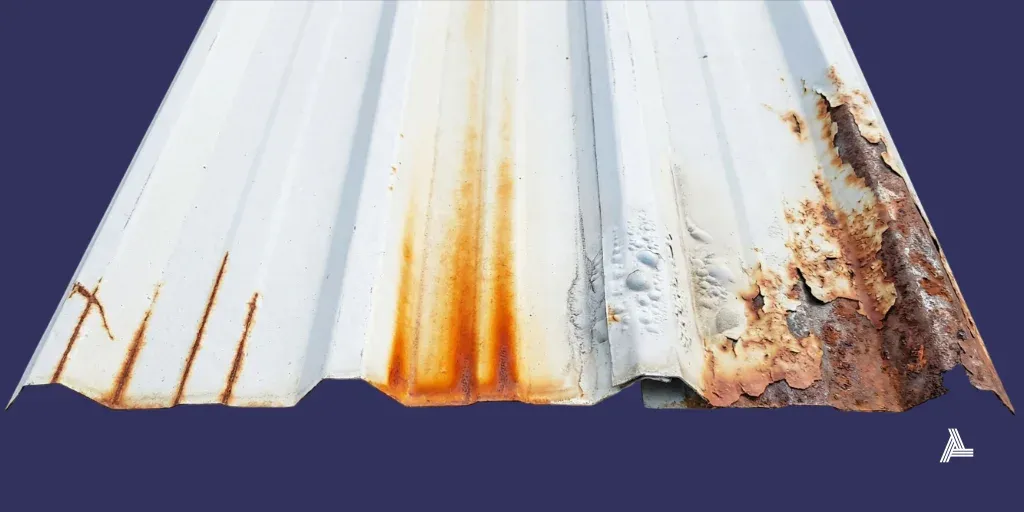
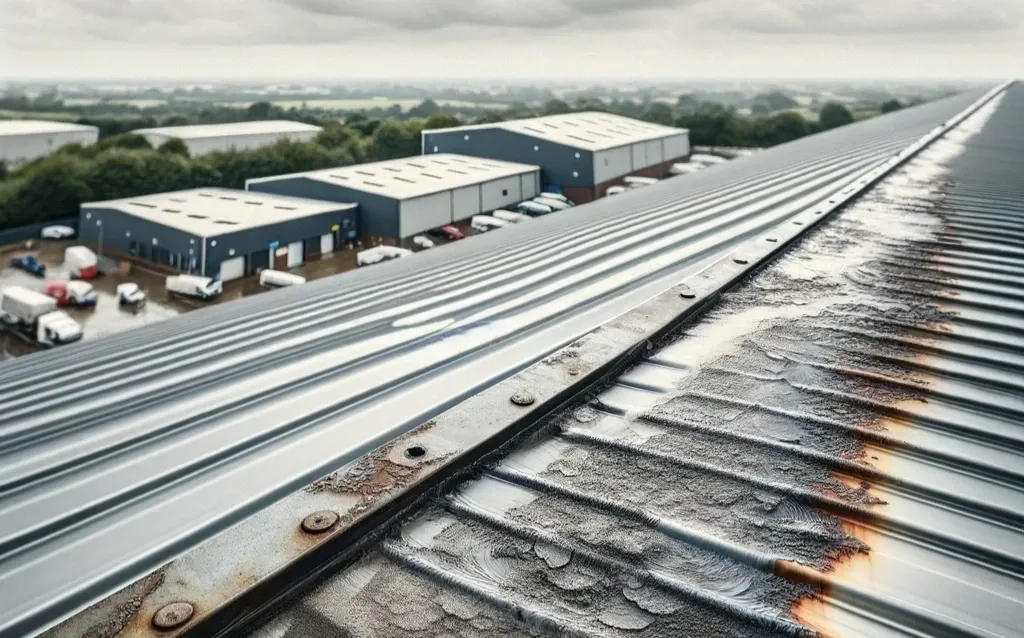
Cut edge corrosion occurs on metal roofs when the protective coating at the edges of metal sheets deteriorates over time. This exposes the bare metal to moisture and oxygen, leading to rust and corrosion. It’s typically seen at overlapping joints, cut edges, or areas with improper sealing. If left untreated, it can cause structural damage and reduce the roof’s lifespan. Regular maintenance and timely treatment with specialist coatings can help prevent and repair cut edge corrosion.
Galvic Corrosion
Galvanic corrosion occurs when two different metals come into contact in the presence of an electrolyte, such as water. This can happen when incompatible materials are used together on a roof, leading to accelerated corrosion of the more reactive metal. For example, combining aluminium and steel without proper isolation can result in significant corrosion issues.
Regular maintenance is crucial for preventing corrosion. Neglecting routine inspections and repairs can allow minor issues to develop into major problems. Leaves, dirt, and other debris can trap moisture against the metal surface, promoting rust and corrosion. Small dents, scratches, and punctures can become corrosion hotspots if not promptly repaired.
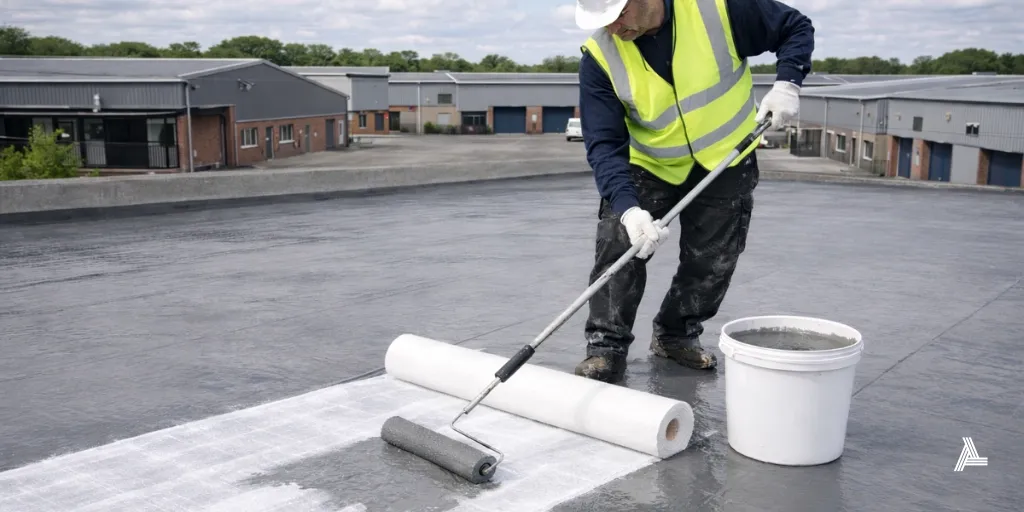
To mitigate corrosion, several preventative measures can be taken. Applying protective coatings, such as paint or specialised anti-corrosion resin systems, can provide a barrier against environmental factors while conducting regular roof inspections to identify and address potential issues early can significantly extend the lifespan of a metal roof.
Ensuring the use of compatible materials and high-quality fasteners during installation can reduce the risk of galvanic corrosion. For buildings in highly corrosive environments, additional measures such as dehumidifiers or air filtration systems can help control the internal climate and reduce corrosion risks.
While metal roofs offer many benefits for commercial and industrial buildings, understanding the causes of corrosion and implementing preventative measures is essential if you are having problems with your metal roof, book your free site survey today and let’s see if we can help.