Heritage roof restoration. Protection for listed and historic buildings.
Liquid-applied waterproofing and non-invasive surveys that extend the life of conservation-sensitive roofs, without changing how the building looks.
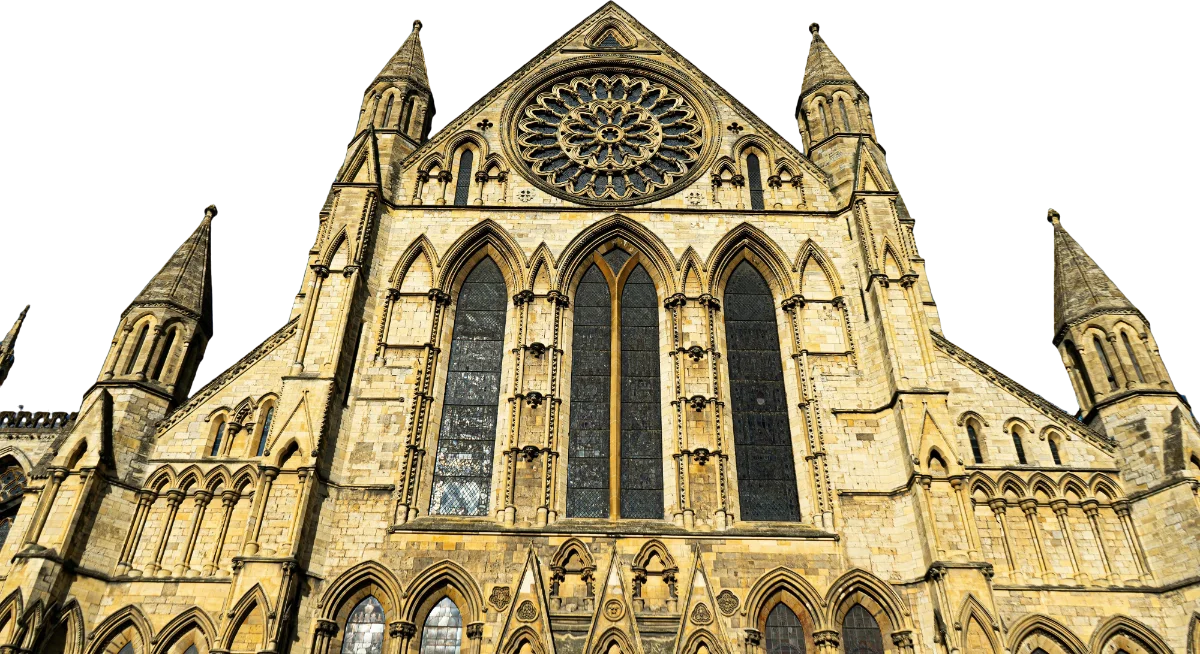
The challenge
Historic roofs carry problems that modern methods can make worse. Age, delicate materials and conservation rules all narrow what a repair can safely do.
Buildings of age face roofing challenges rooted in their materials and construction. Slate, clay tile and lead degrade over decades, timber structures suffer rot and woodworm, and original drainage rarely copes with today's rainfall. Left unchecked, water finds a way in and the damage spreads into the fabric beneath.
Conservation requirements add a further constraint. Listed status and conservation-area rules limit how much can change, which rules out many standard replacement approaches and the disruption they bring.
The answer is to balance preservation with proven modern technique. Liquid-applied systems restore watertightness without altering the roof's appearance, overlaying the existing surface rather than stripping it out.
Assessment comes first, and it stays non-invasive. Drone inspection and thermal imaging build an accurate picture of a roof's condition from the ground, so the right work is specified without unnecessary access or intervention.
Common issues on historic and listed roofs. The recurring faults a survey looks for, and a heritage system is built to resolve.
Most heritage roof problems trace back to water finding a way in. Catching them early keeps repairs small and protects the structure below.
Gutters and drainage
Debris builds up in gutters and outlets over time, causing water to pool, then leak, and eventually damage the structure if left.
Cracks and splits
Ageing substrates and thermal movement open cracks and splits, letting water seep into and beneath the roof surface.
Standing water
Flat and low-pitch roofs are prone to ponding, which degrades the covering and, in time, leads to leaks.
UV degradation
Prolonged exposure to sun, rain and wind weakens roofing materials, leaving them cracked, faded or brittle.
Foot traffic
Roofs used for maintenance or plant access take wear that can break the surface and open up leak paths.
Moss and overgrowth
Damp conditions let moss and algae take hold, weakening the surface and holding yet more water against it.
Liquid-applied systems built for heritage. Durable, low-disruption waterproofing that overlays what is already there.
Repair, protect and enhance historic buildings with advanced liquid-applied systems engineered for demanding, sensitive settings. Ideal for overlaying existing roofs, gutters and architectural detail, they extend a roof's life without the cost and disruption of full replacement. A low-odour formula and fast cure keep landmarks open and in use throughout, and application in temperatures as low as 1°C means work is not held back by the season.
New and existing substrates
Applies to both new roofs and existing ones, giving a durable, long-lasting refurbishment without a strip-out.
Overlays fine detail
Follows the existing roof, gutters and architectural features, adapting to complex and unusual layouts.
Low to no odour
Exceptionally low odour on installation, keeping disruption to visitors and daily operation to a minimum.
Fast curing
Rapid application with cure times from around 30 minutes, cutting time on site and downtime for the building.
Durable and waterproof
Fully waterproof and UV-resistant, engineered for a service life of more than 30 years.
Guarantee backed
Backed by Basecare cover of up to 25 years across both the material and the installation.
From survey to installation, and beyond. A single specialist team behind every stage of a heritage roof project.
Specialist roofing for historic buildings and conservation areas across the UK. Advanced systems sit alongside expert consultation, survey and a vetted contractor network, so a roof is assessed accurately and the right work is carried out to the right standard.
Roofing surveys
An in-depth assessment using drone inspection and thermal imaging. Detailed reporting gives the insight to plan repairs or long-term maintenance with confidence.
Explore surveysSystem installations
A vetted network of experienced contractors installs every system to a consistent standard, whether it is a repair, an overlay or a full new roof.
See installationMaintenance
Planned inspection and preventative care that catches small issues early, avoiding costly repairs and keeping the roof in reliable condition.
Maintenance plansReady to start?
Request access to browse and specify, or schedule a consultation to talk through your project with one of our specialists.
Schedule a consultation
Arrange a phone call with a specialist to discuss your application.
Choose a time