Sustainability & Lifecycle
Know a material's environmental impact at the point you choose it, an indicative cradle-to-gate figure alongside the spec, not a separate study months later.
The figure, alongside the material
What we coverBuilt for the reporting you now face
Why it mattersChoosing the lower-impact option
In practiceEnvironmental impact belongs in the decision, not in a report months later. So the figure sits next to the spec, when you choose.
Aerospace, construction and wind customers increasingly have to report the embodied carbon of what they specify. The usual route is a separate, commissioned study that arrives long after the material is chosen. Allbase puts an indicative cradle-to-gate figure alongside the material itself, the same place you read its technical and market data, so impact is part of the choice rather than an afterthought. The figure is clearly labelled indicative and computed from published category factors; the full verified breakdown is available on registration.
Cradle-to-gate, in two parts, with a range. Credible, comparable, and honest about what it is.
Material & manufacturing
The carbon from making the material itself, from raw inputs through processing and manufacture. For energy-intensive materials like carbon fibre this is the dominant share.
Transport & delivery
Inbound transport from the manufacturer to our gate, by sea, road or a mix. Counted to the gate and no further, so figures stay comparable to how the industry publishes them.
An indicative range
A low to high band, not a single false-precision number. It tells you the order of magnitude and where the impact concentrates, enough to choose well without overstating what an indicative figure can claim.
Embodied carbon has moved from nice-to-know to need-to-report. The material you choose is now part of your disclosure.
Tightening regulation
Embodied-carbon reporting and producer-responsibility rules are expanding across the sectors Allbase serves. The data has to be there when you specify.
Buyers asking for the numbers
Specifiers increasingly want the environmental figures next to the technical ones before they commit, not after.
Impact is a real differentiator
For energy-intensive materials, embodied carbon varies enough between options to change the decision, and to lower it without compromising the spec.
An indicative figure is enough to act
You do not need a full commissioned study to make a better choice. An indicative cradle-to-gate figure, available now, moves the decision in the right direction.
Indicative, not a commissioned study
This is an indicative cradle-to-gate estimate from published category factors, designed to inform the choice at the point of specification. It is not a defensible, source-specific per-product LCA for your own compliance reporting; where that is needed, the verified breakdown and supporting detail are available on registration.
Two laminates met the same structural brief, but their indicative cradle-to-gate figures were far apart: one carried roughly twice the embodied carbon of the other, mostly in manufacturing. Seeing both figures alongside the specs at the point of choosing made the lower-impact option the obvious one, with no compromise on the requirement.
Illustrative example using indicative figures. No customer or supplier named.
The point
You cannot reduce what you cannot see. Putting the impact figure next to the spec, at the moment of choice, is what turns a reporting obligation into a better decision.
We build the lifecycle tools, not just the figures. A custom calculator, on the manufacturer's own site.
A Scottish manufacturer was bringing a new, lower-impact product into the industrial space and needed to prove its environmental advantage at the point of sale.
We developed the life cycle assessment behind the product and built a custom comparison calculator into their website, letting their customers weigh the new product against competing options on environmental impact, directly, with the figures rather than the claim. It turned a sustainability story into a tool buyers could use themselves, and gave the manufacturer a credible, defensible way to show the difference.
Details withheld under NDA. Sector and nature of the work described with the client's product and identity anonymised.
What we built
- The life cycle assessment for a new lower-impact product
- A custom comparison calculator built into their website
- A way for their customers to compare against competing products on impact
- A credible, defensible basis for the environmental claim
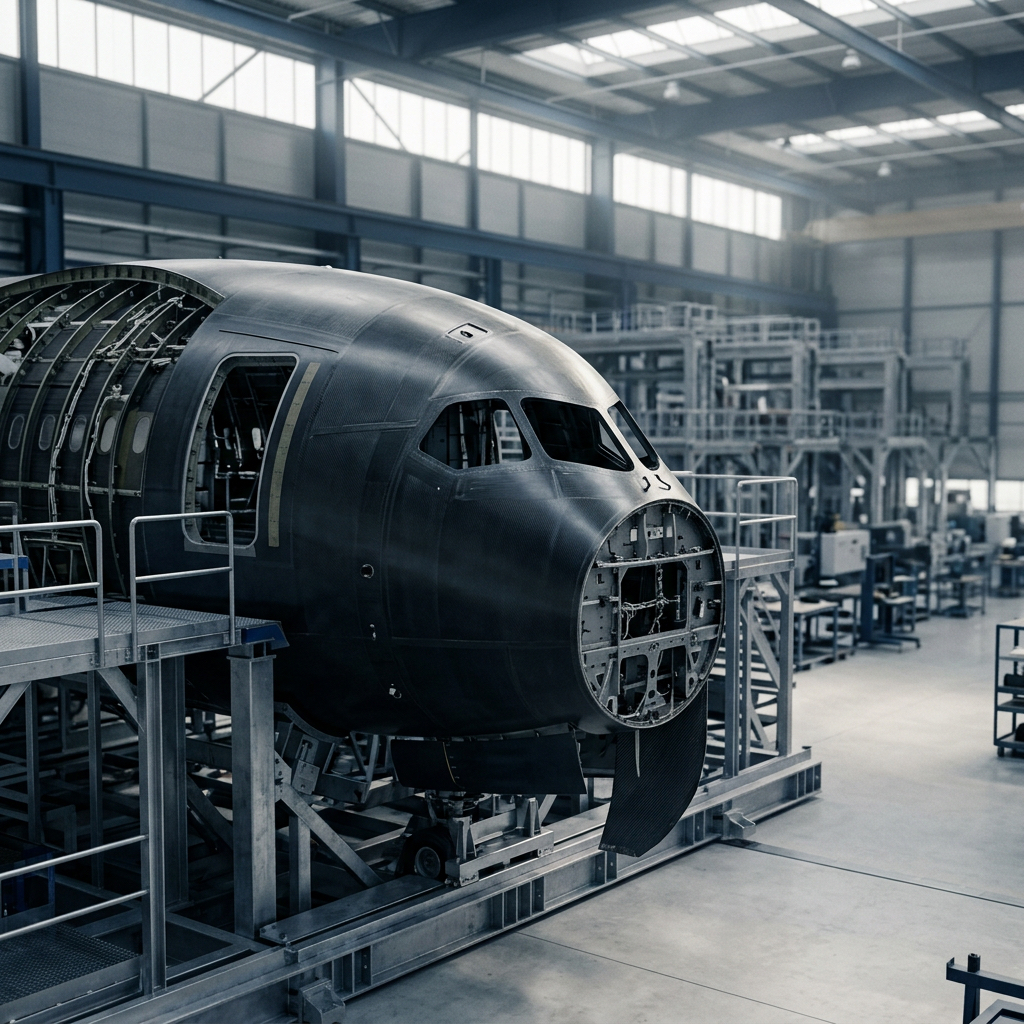
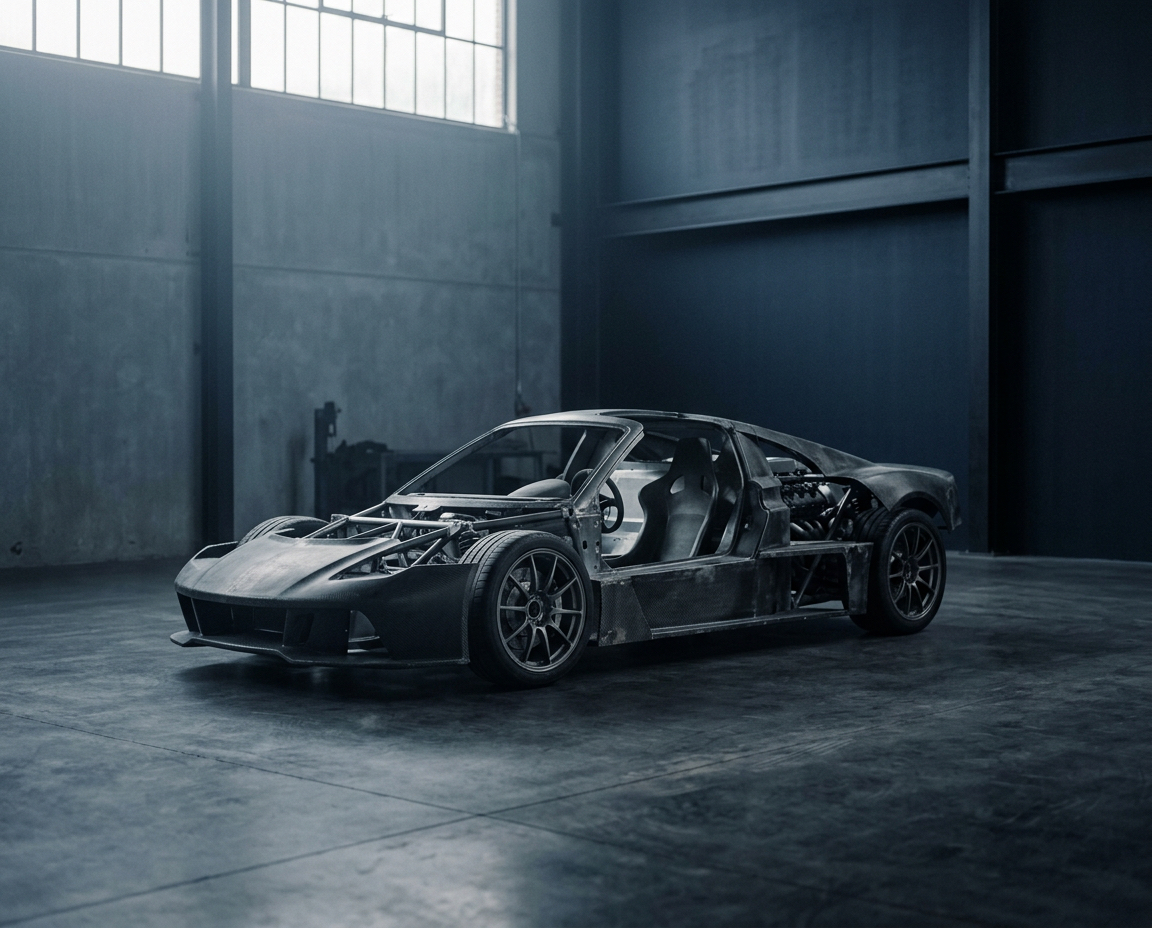
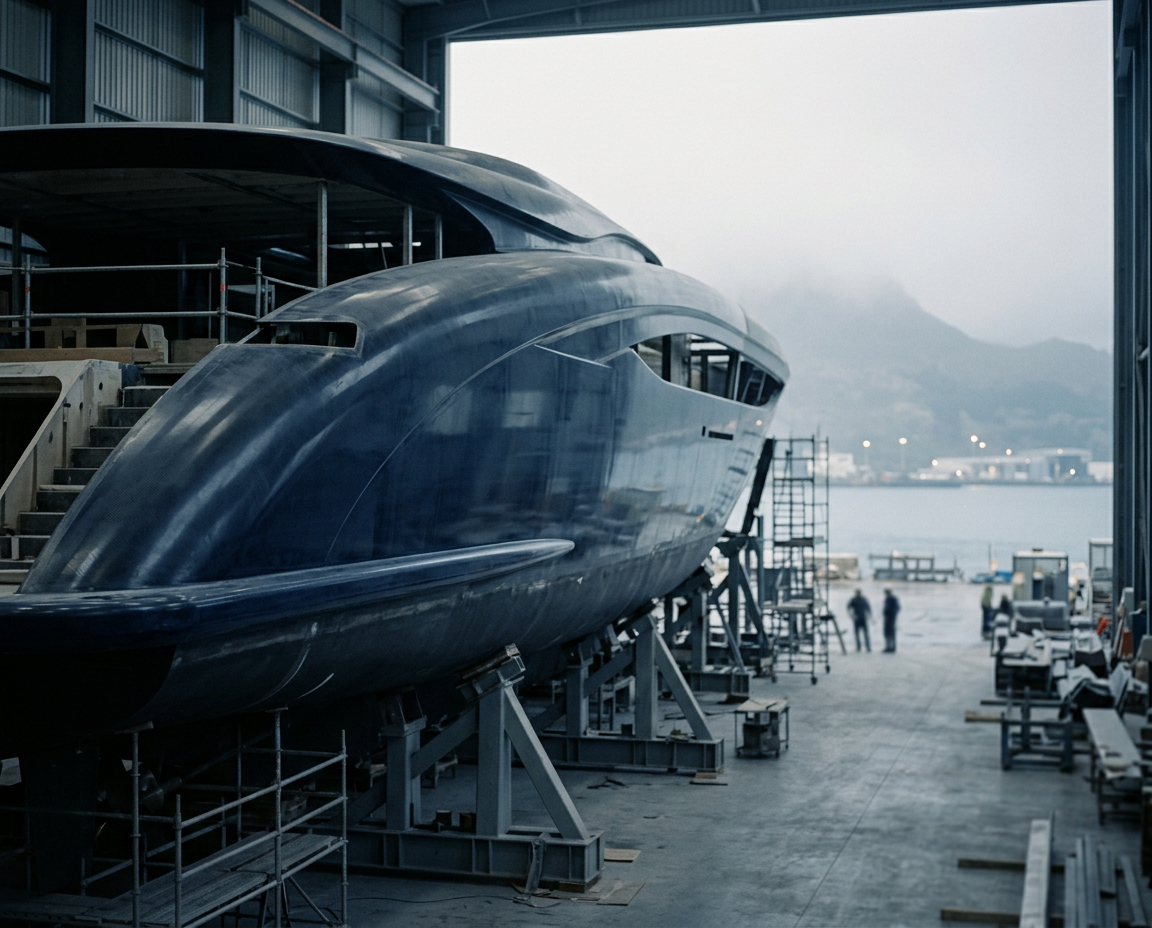
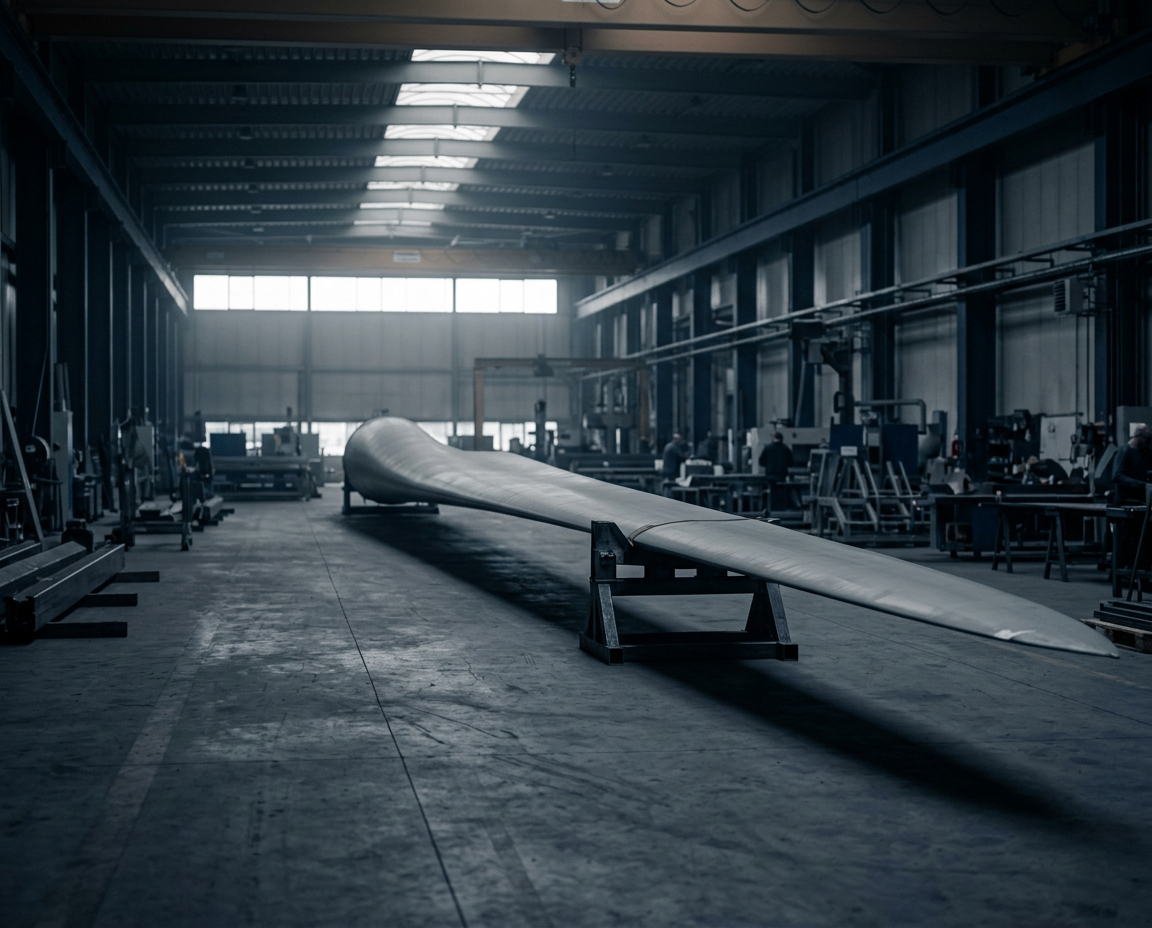
One method, six sectors. The same lifecycle discipline wherever the material is used.

Lifecycle figures, backed by Allbase Intelligence. Sourced factors, applied consistently across the catalogue.
The indicative figures draw on a maintained collection of published emission factors applied the same way to every material, so numbers stay comparable and defensible rather than recalled from memory. Powered by Allbase Intelligence.
Explore Allbase Intelligence- Indicative cradle-to-gate carbon by material
- Material and manufacturing vs transport split
- Lower-impact alternatives for the same brief
- Recycled content and end-of-life by option
Put the impact in the decision.
Tell us the material and the application, and a specialist comes back with the indicative cradle-to-gate figure and the lower-impact options for the same brief. A first conversation costs nothing.
Send an enquiry
Tell us the material and the brief, and we will come back with the indicative figure and the alternatives.
Talk to a specialistSchedule a consultation
Arrange a phone call with a specialist to talk through your reporting.
Choose a time